Resources
What is Autoclaved Aerated Concrete (AAC)?
Autoclaved Aerated Concrete (AAC) is an advanced, lightweight, prefabricated building material made from natural raw ingredients sand, cement, lime, gypsum, water, and a small amount of aluminum powder. Through a controlled chemical reaction, the mixture expands to form millions of tiny air bubbles, creating AAC’s distinct cellular structure. Once molded into blocks or panels and cured in high-pressure autoclaves, the result is a strong, uniform product that is approximately one-fifth the weight of traditional concrete, yet maintains impressive durability and fire, mold, and pest resistance.
As a prefabricated system, AAC offers consistent quality, precision, and speed of installation, making it well-suited for residential, commercial, and industrial projects. Its lightweight nature reduces structural loads, while its superior thermal insulation and sound absorption improve building performance. With low embodied energy and strong sustainability advantages, AAC is increasingly viewed as a next-generation alternative to traditional concrete and masonry construction.
Brief history of AAC
Origins (1920s, Sweden): Swedish architect who discovered an expansion agent that leaves small, finely dispersed air pockets in concrete. He combined concrete’s durability with wood’s lightness and thermal performance.
Industrialization (1930s–1960s): Scandinavian and Central European plants; in 1945 German construction engineer Josef Hebel established a manufacturing process where prefabricated RAAC panels were reinforced with steel mesh. Hebel products (blocks & panels) are manufactured around the world now.
Global expansion (1970s–2000s): Adoption across Europe, Middle East, India, China, Australia, and Latin America.
North America (1990s–present): Growing use in multifamily, hospitality, education, and light commercial as codes emphasize energy and fire safety.
Today: Mature, globally proven system with modern QA/QC, reinforced panel lines, and robust design standards—now primed for localized U.S. manufacturing.
What can Hebel Reinforced AAC be used for?
Hebel Reinforced AAC is ideal for residential, commercial, and industrial construction. Its strength, lightweight nature, and prefabricated precision make it an exceptional material to work with across a wide range of structural and non-structural applications.
External Walls
Corridor Walls
Floors & Roof
Shaft & Service Walls
Internal Walls
Fire-Rated Assemblies
Intertenancy / Party Walls
Acoustic Barriers
Façade & Cladding
Load-Bearing Walls
Non–Load-Bearing Walls
Stair & Landing Systems
Mid/high-Rise Building Systems
Industrial Wall
Hotel & Hospital Partitions
Performance & Benefits of AAC
Ultra-Lightweight
Roughly one-fifth the weight of traditional concrete, reducing structural demands and enabling faster builds.
Exceptional Thermal Performance
High insulation value supports energy-efficient buildings and lowers operating costs.
Superior Fire Resistance
Non-combustible, high fire-rating material that enhances safety and code compliance.
Strong Acoustic Insulation
Cellular structure naturally absorbs sound, improving comfort and privacy.
Rapid, Efficient Construction
Prefabricated blocks and panels install quickly with minimal labor and waste.
Precision Manufacturing
Factory-produced components ensure consistent quality and dimensional accuracy.
Highly Durable & Strong
Resistant to mold, mildew, pests, and moisture, ensuring long-term performance.
Environmentally Sustainable
Made from natural materials, low embodied energy, and fully recyclable at end of life.
Ultra-Lightweight
Roughly one-fifth the weight of traditional concrete, reducing structural demands and enabling faster builds.
Exceptional Thermal Performance
High insulation value supports energy-efficient buildings and lowers operating costs.
Superior Fire Resistance
Non-combustible, high fire-rating material that enhances safety and code compliance.
Strong Acoustic Insulation
Cellular structure naturally absorbs sound, improving comfort and privacy.
Rapid, Efficient Construction
Prefabricated blocks and panels install quickly with minimal labor and waste.
Precision Manufacturing
Factory-produced components ensure consistent quality and dimensional accuracy.
Highly Durable & Strong
Resistant to mold, mildew, pests, and moisture, ensuring long-term performance.
Environmentally Sustainable
Made from natural materials, low embodied energy, and fully recyclable at end of life.
Technical Specifications
Hebel RAAC Slab Panels
Hebel RAAC Wall Panels
Hebel RAAC Specifications
Brochures
Innovating Sustainable Building Solutions
Why Hebel RAAC?
Completed Projects
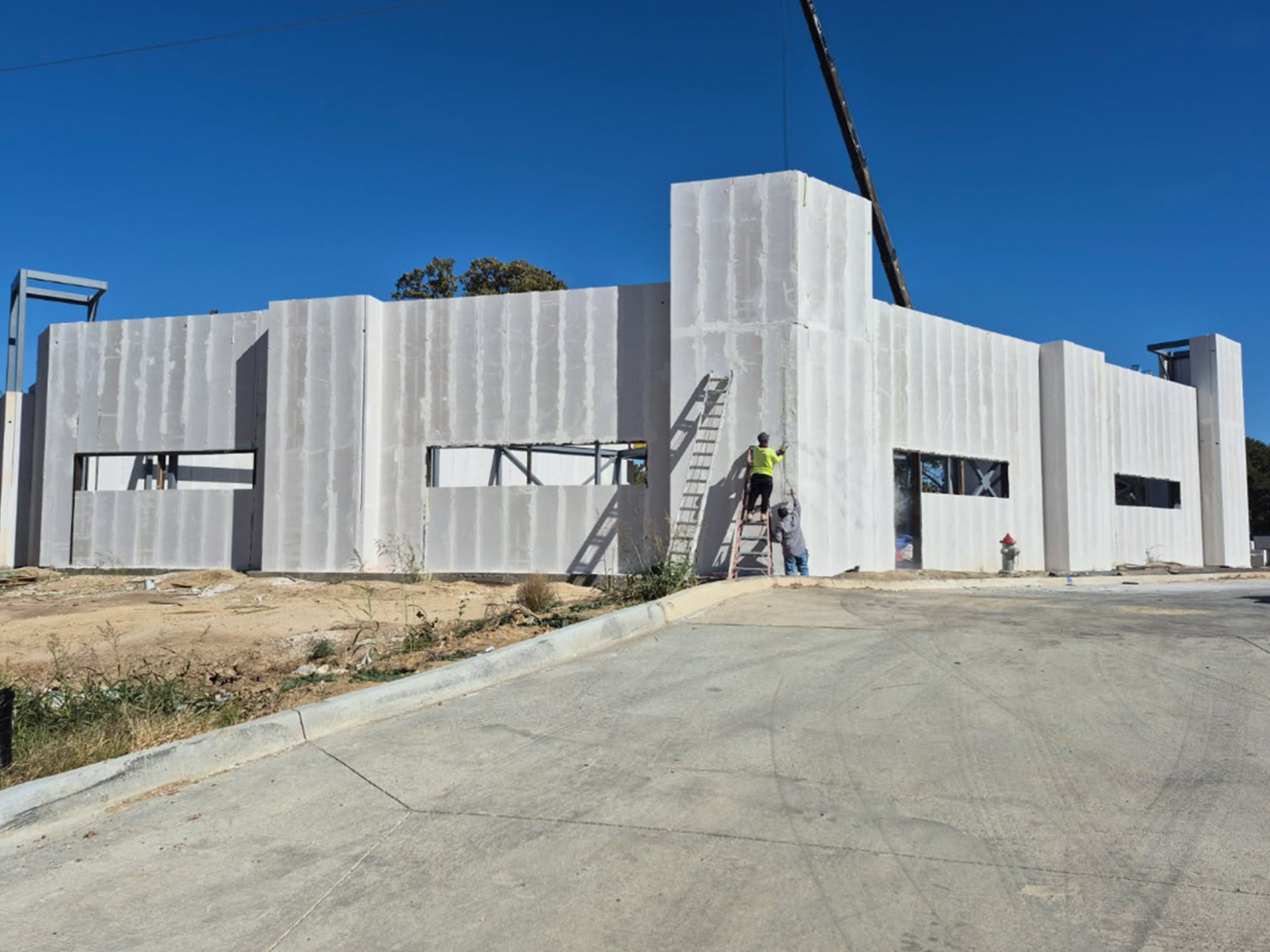
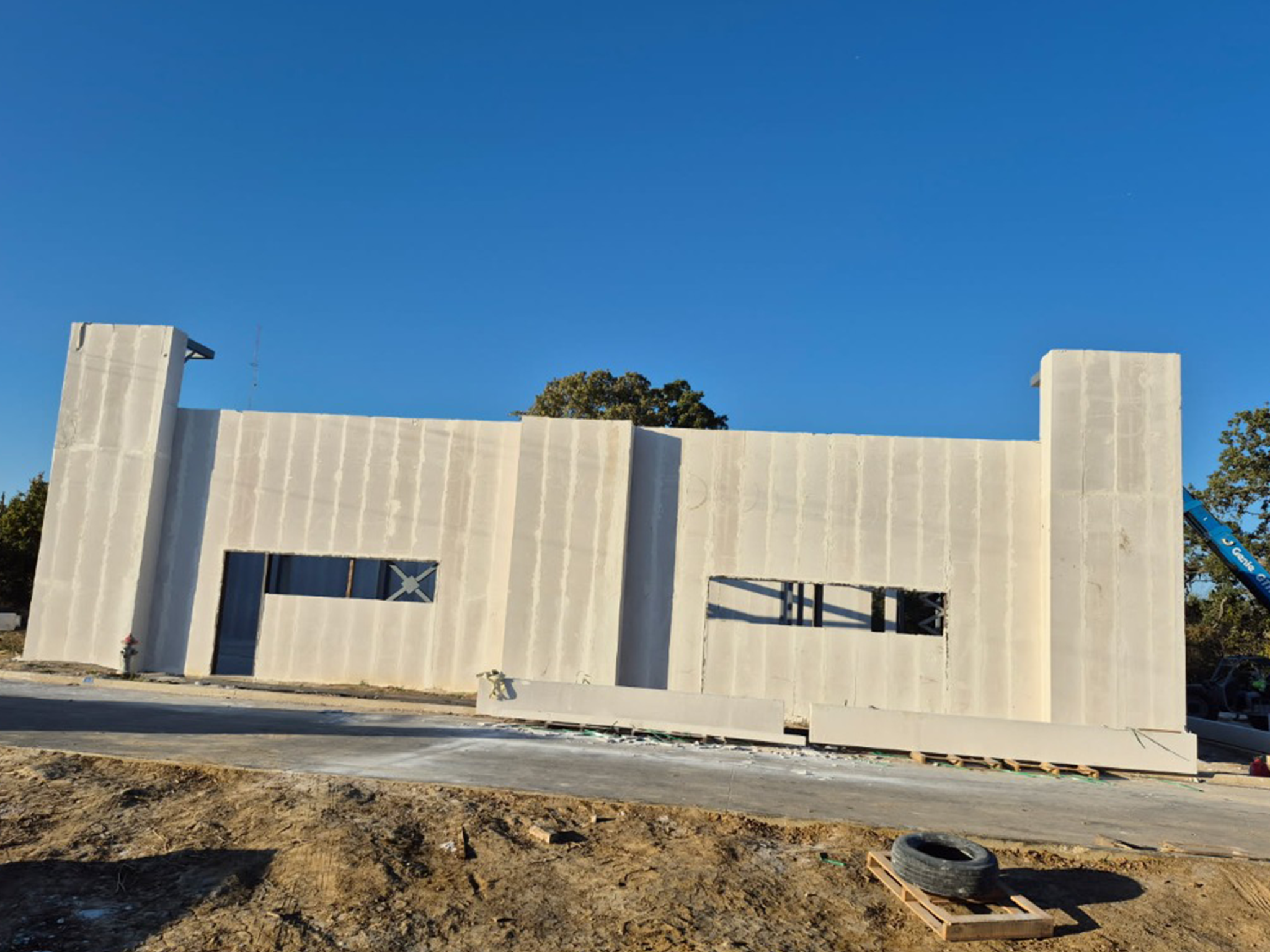
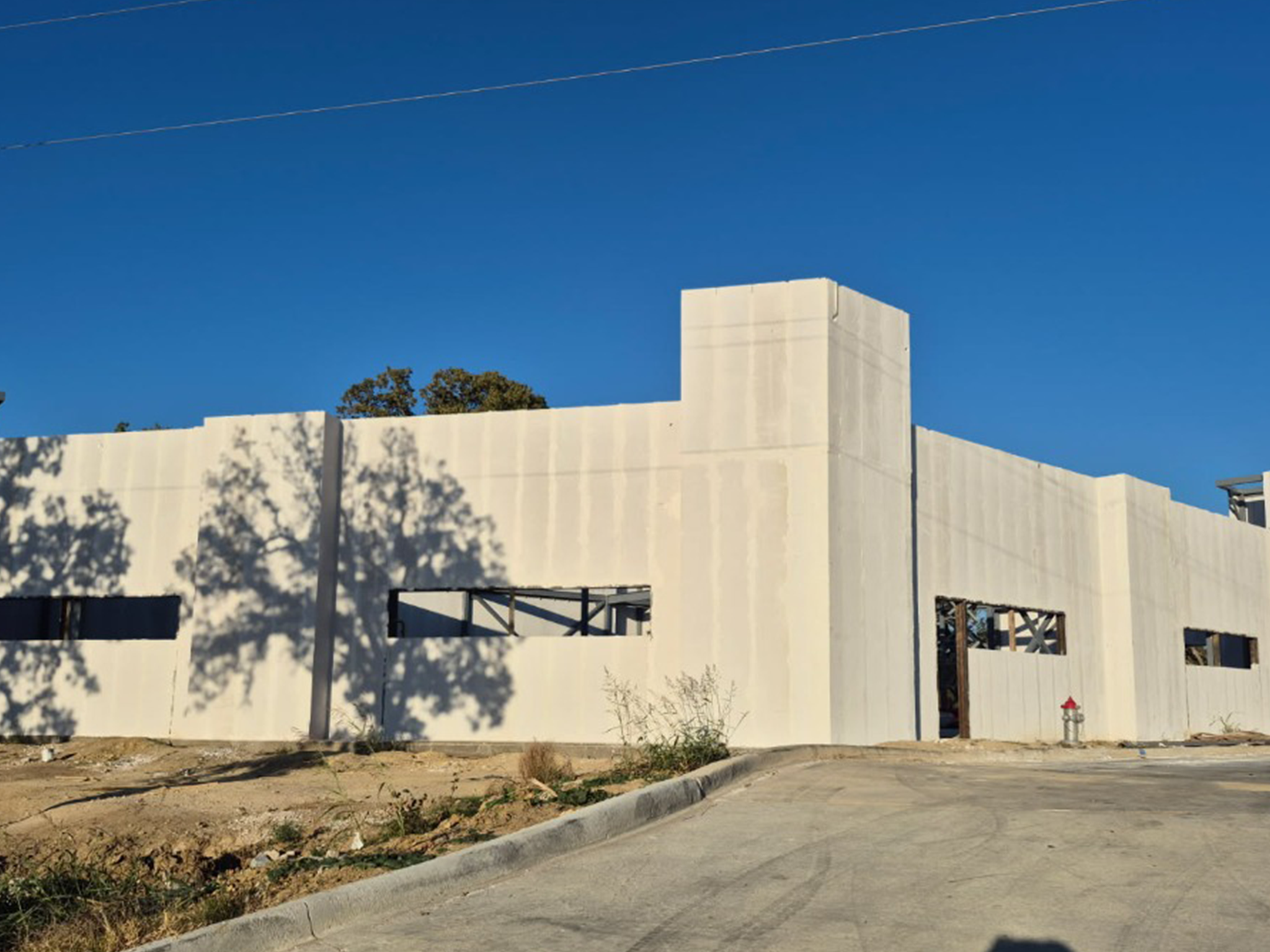
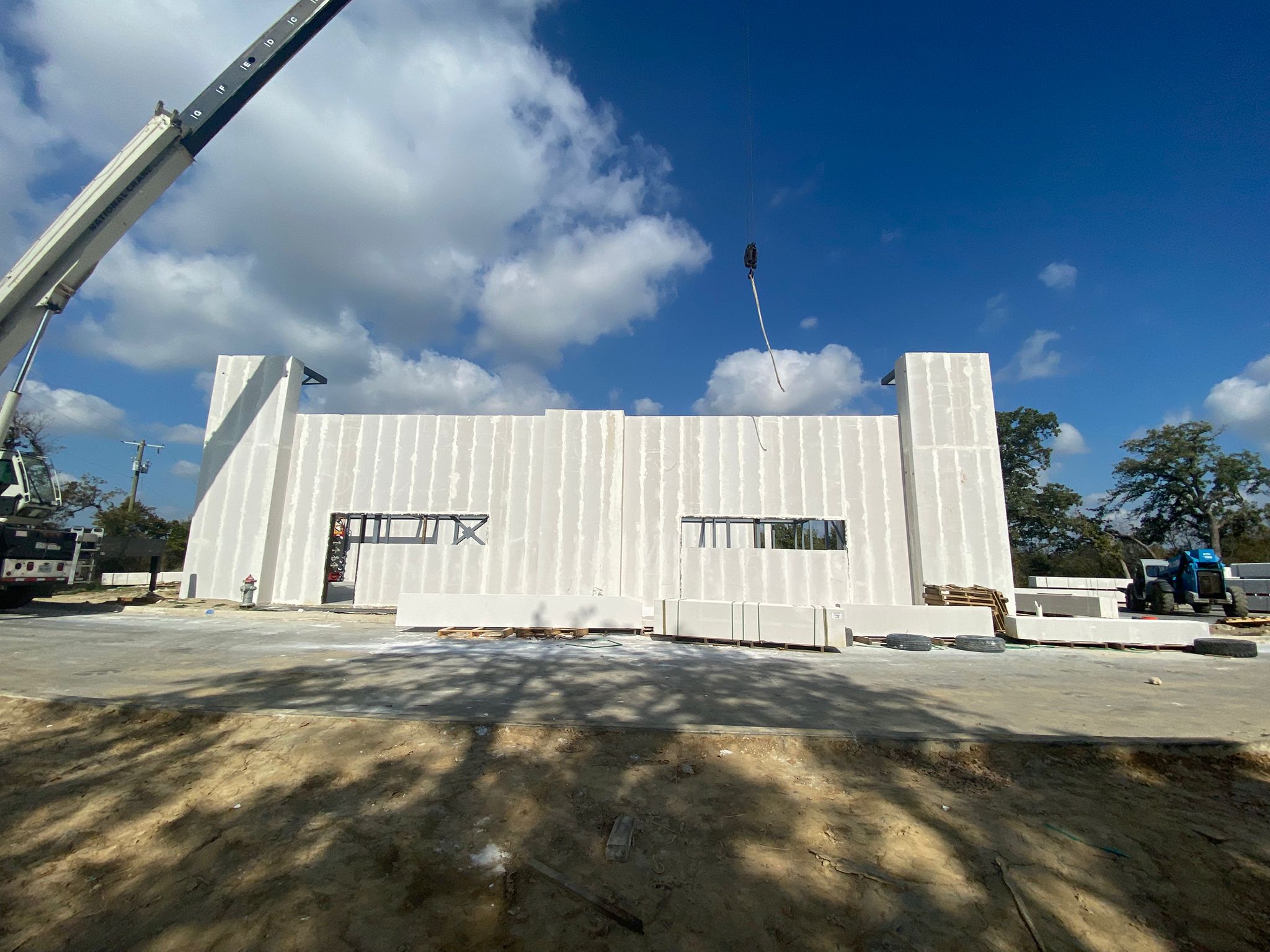
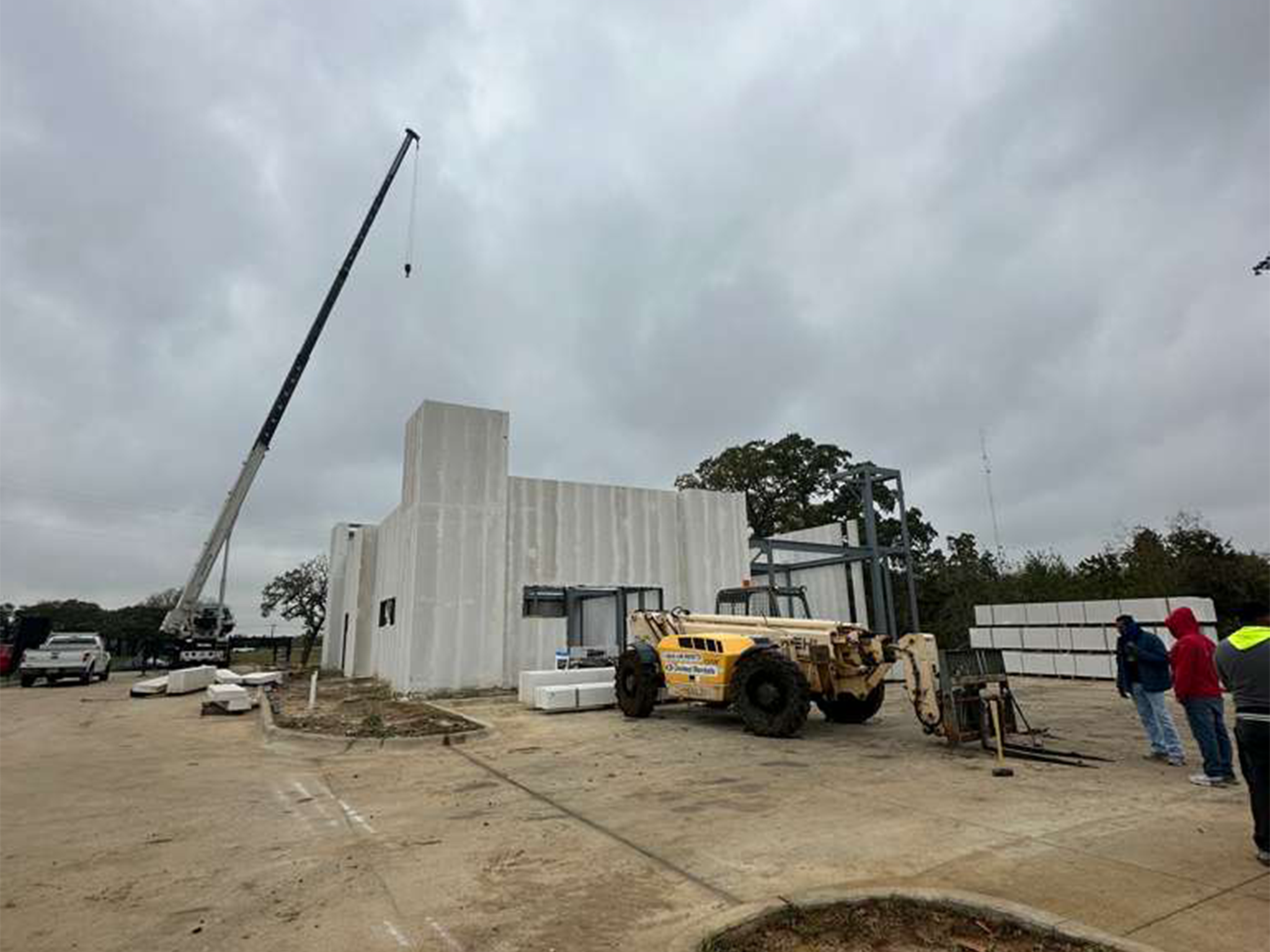
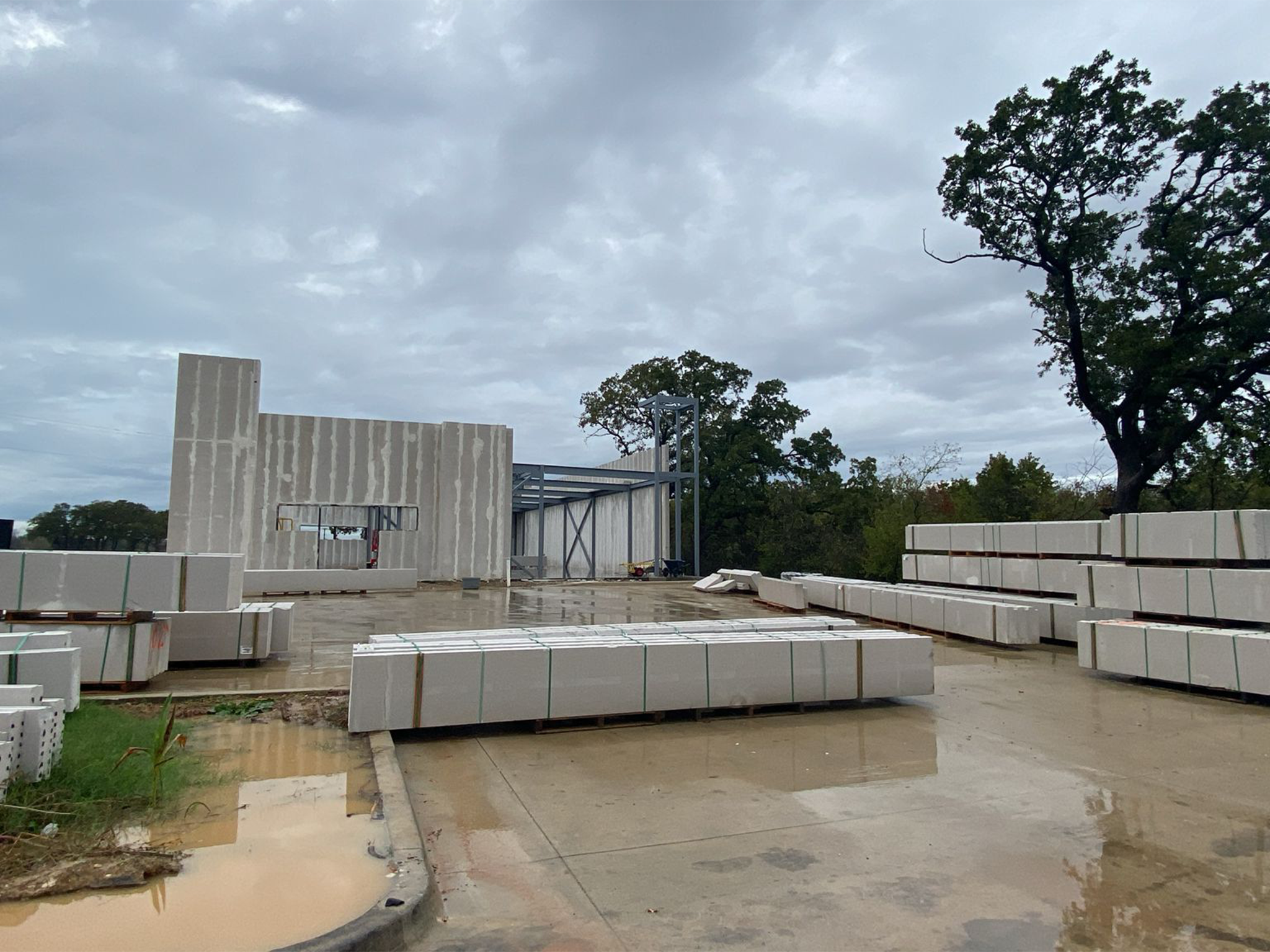
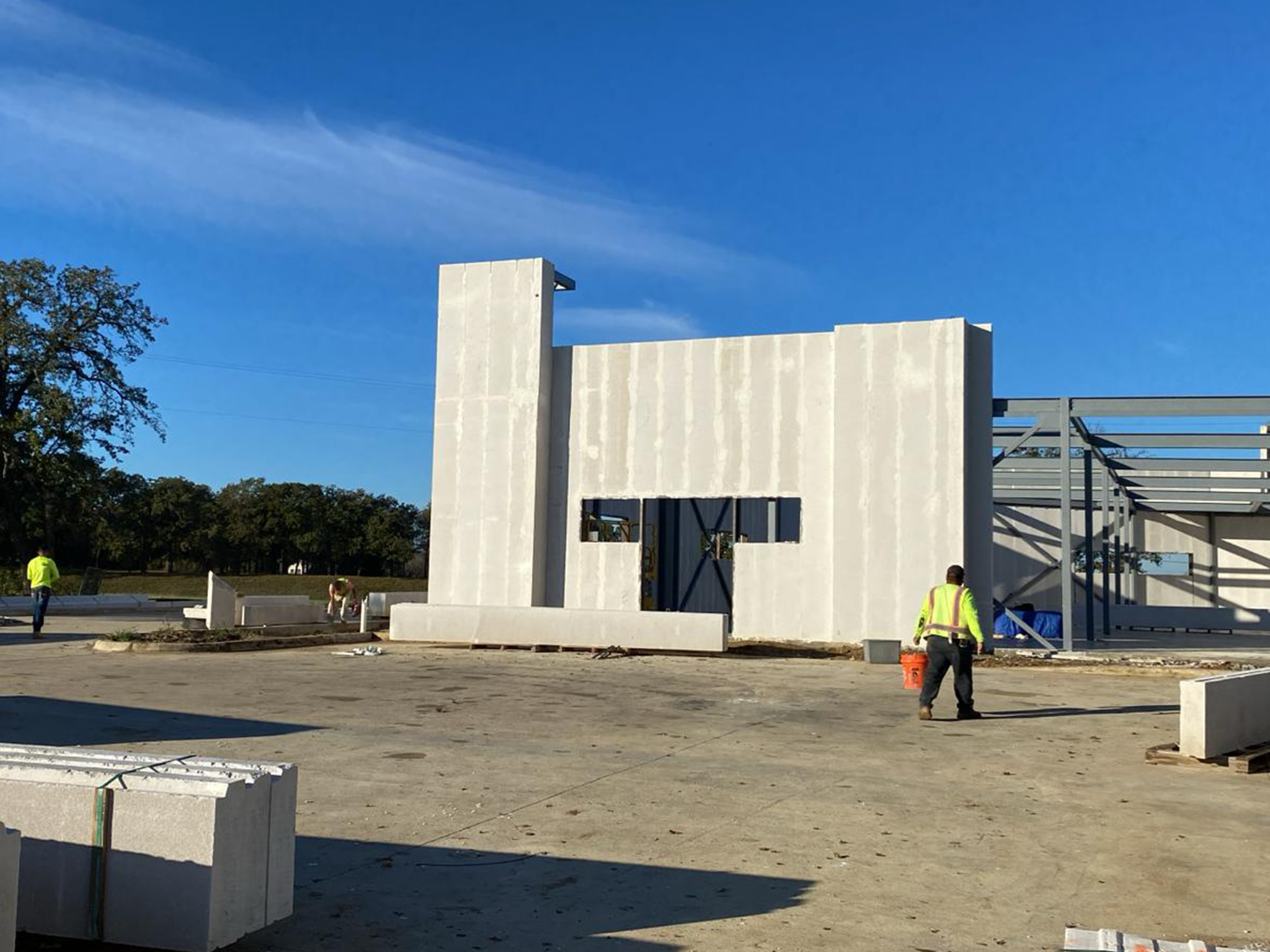
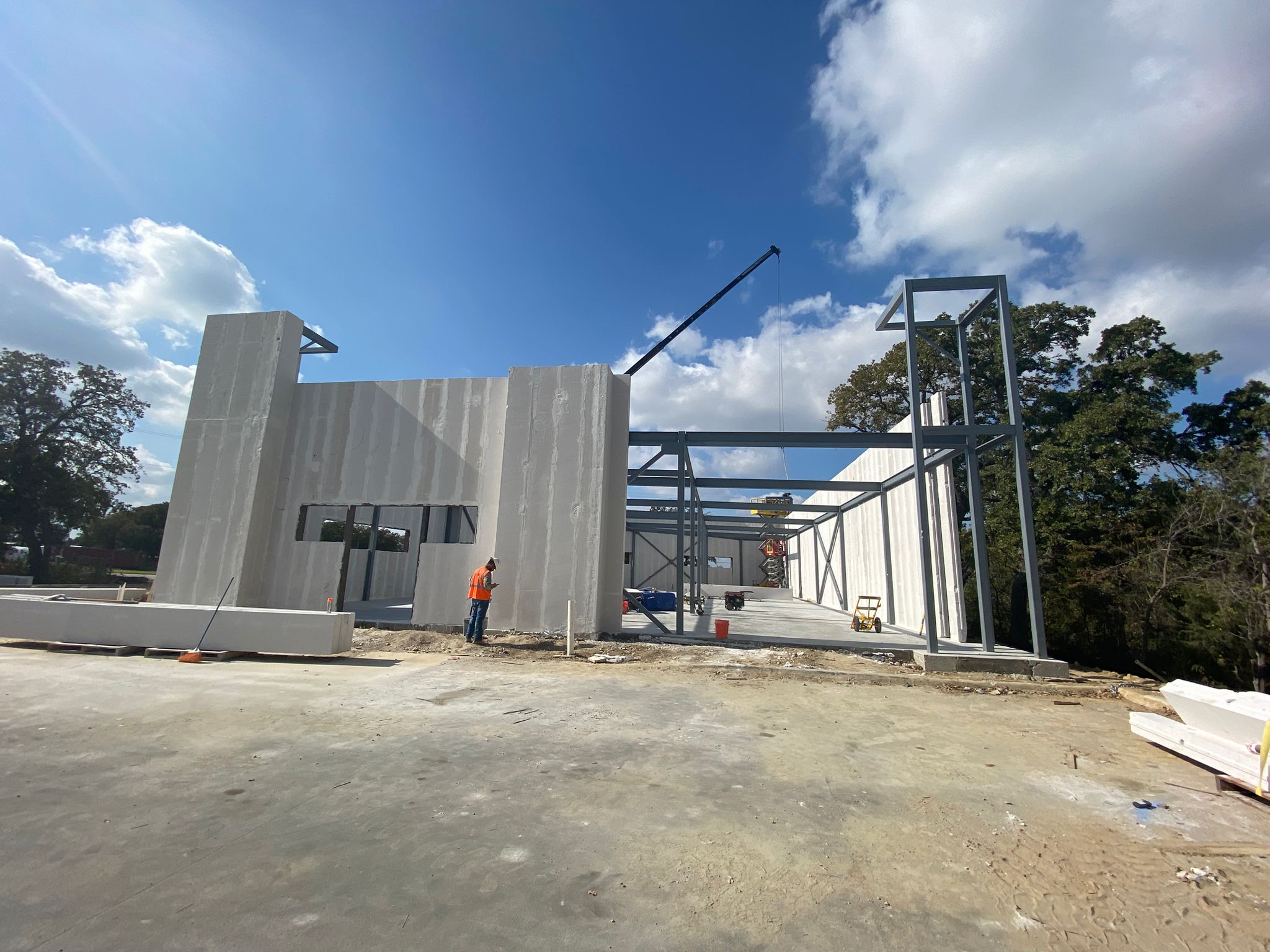
Ongoing Project
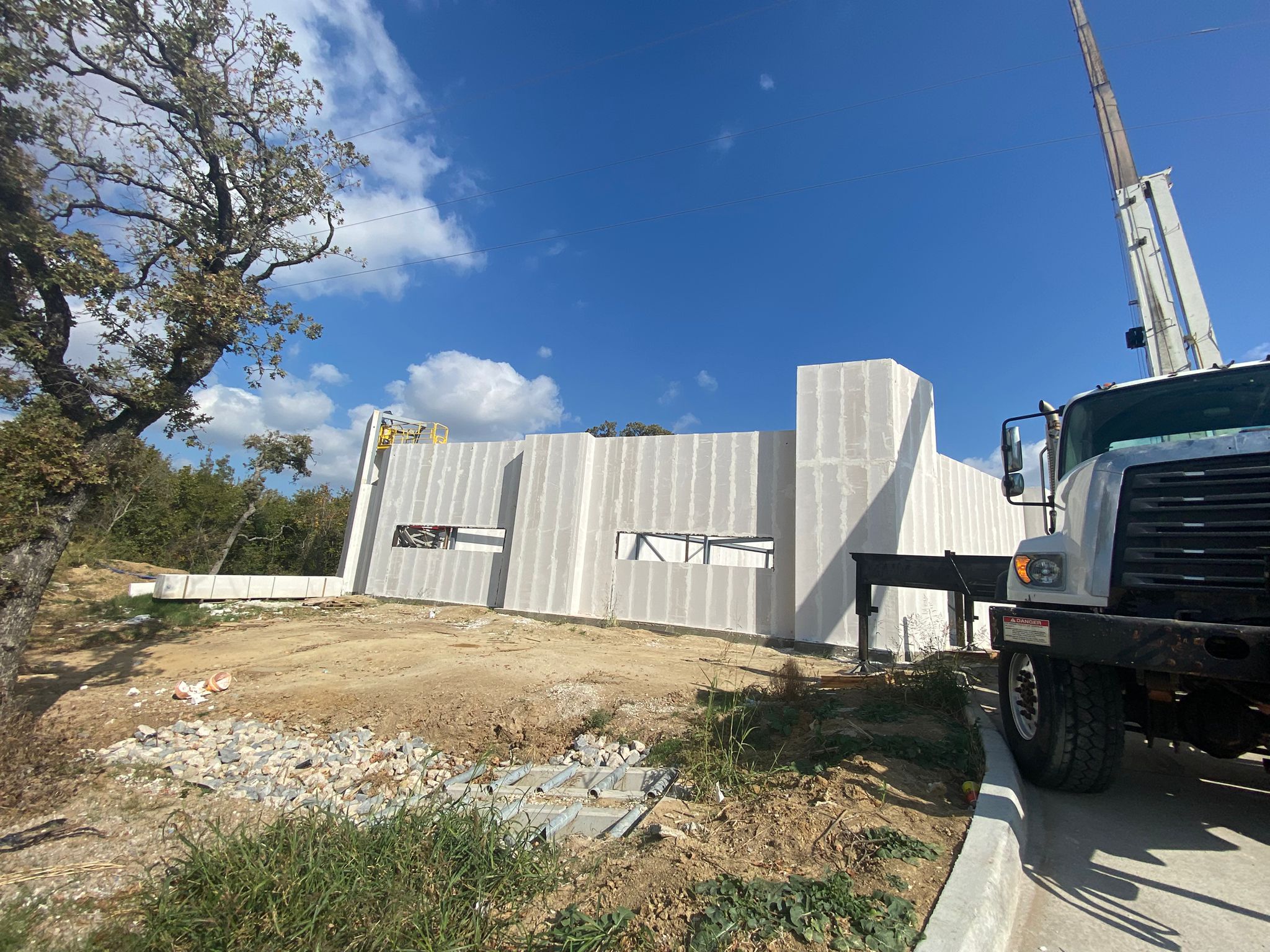
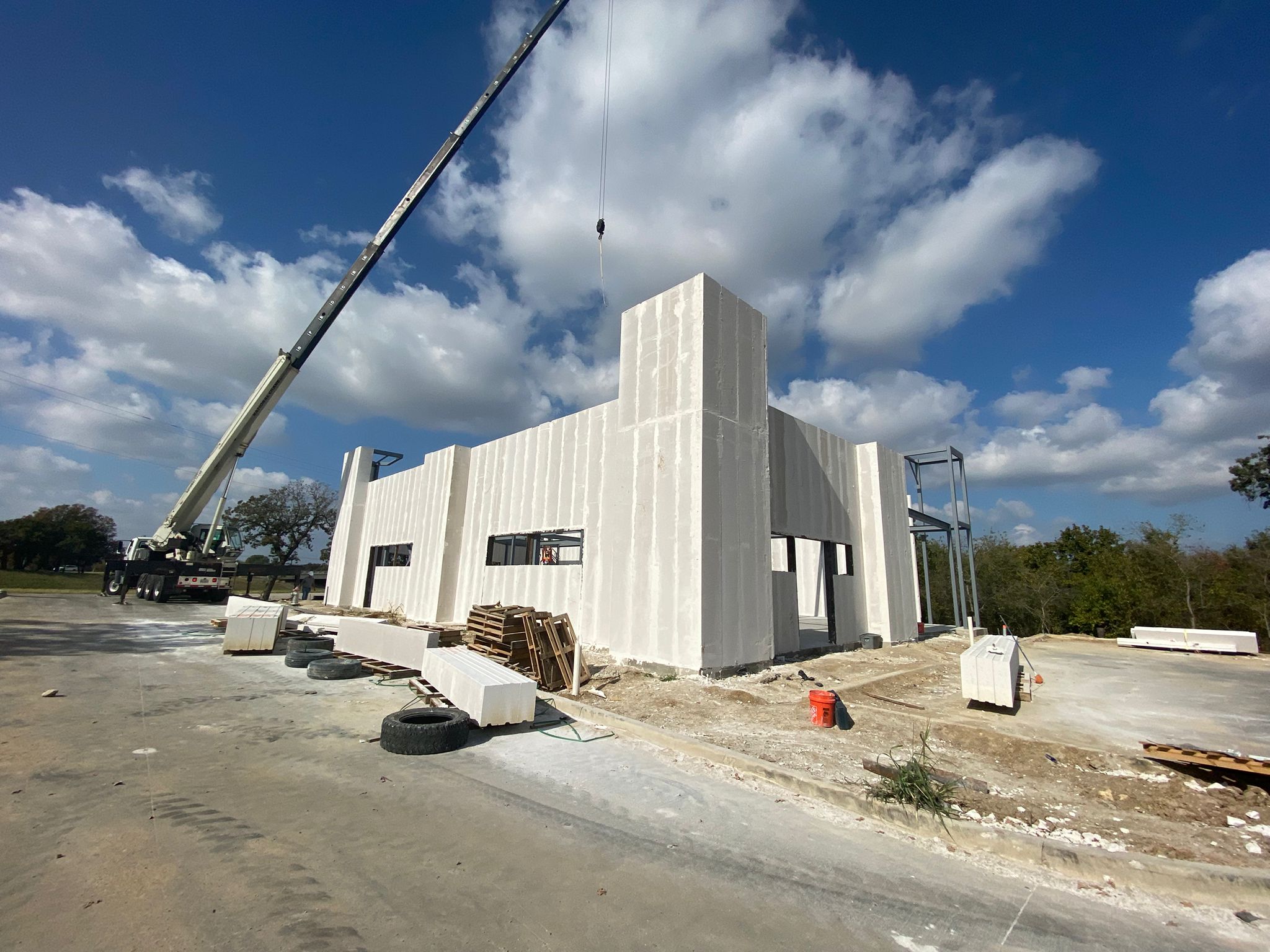
Name: Construction of a Retail Shop in Arlington
Client: Liquor Depot
Type of Building: Retail Shop
Services: It is a turn key project. We are providing architectural, structural and interior design services along with executions.